Roof Flashing Repair Adelaide — Where Leaks Actually Start
Flashing is a common source of roof leaks. Typical Adelaide flashing failures, repair costs, and how to spot a problem before the ceiling stains.
Published · Updated · RidgeFox Roofing
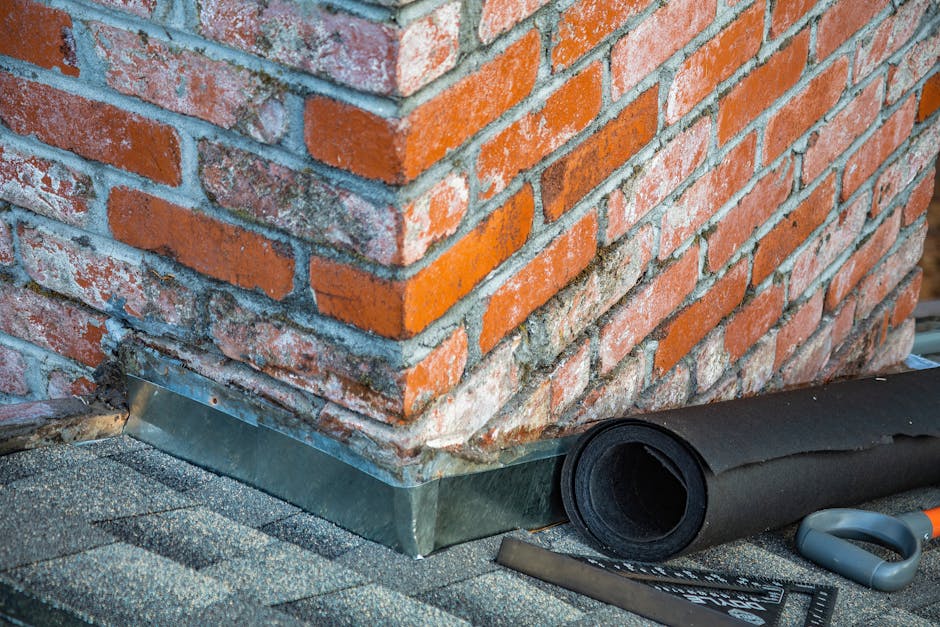
Eight times out of ten, a roof leak isn’t a roof leak. It’s a flashing leak. The roof tiles or sheets are doing fine. The leak is at one of the dozen places where the roof has to seal against something else — a wall, a chimney, a skylight, a vent pipe, a valley.
This article covers the common flashing failures in Adelaide homes, what they cost to repair, and how to spot one before it turns into a ceiling repair too.
What flashing actually does
Flashing is the strip of metal (usually lead, aluminium, or Colorbond) that bridges a gap where two surfaces meet. It directs water away from the join. Without it, every shower would soak the wall cavity. With it, water runs off the flashing and back onto the roof.
Common flashing locations on an Adelaide home:
- Chimney base flashing — where the chimney brickwork meets the roof
- Wall flashing (apron / step flashing) — where the roof slope meets a wall (usually a two-storey extension or carport tie-in)
- Skylight flashing — the four-sided weatherproof tray around the skylight
- Vent pipe flashing — the rubber or lead boot around plumbing vent pipes
- Valley flashing — the long metal trough where two roof slopes meet
- Ridge flashing — over the highest line of the roof
Any of these can leak. The roof material around them can be perfect.
What you’ll pay
For typical Adelaide flashing repairs:
- Replace one rubber vent pipe boot: $180–$320 (a 30-minute job, often combined with another visit)
- Re-flash one skylight (lead): $450–$850
- Rebed and re-flash a chimney base: $650–$1,400
- Replace one wall apron flashing run (3–6 metres): $480–$1,200
- Replace a full valley iron (8–12 metres): $900–$2,200
- Re-bed and re-point all ridge cap flashing on a typical roof: $1,800–$3,800
These figures assume single-storey access. Two-storey, steep pitch, or difficult access pushes everything up.
How to spot a flashing leak before the ceiling stains
The trick is to look from below before the leak shows up inside.
In your roof void (with a torch and a face mask):
- Daylight visible at any joint where the roof meets a wall = bad flashing
- Water staining on the underside of the roof sarking at a localised point = active leak
- Salt deposits / white crystallisation on the rafters = old leak that’s dried and crystallised
- Damp insulation in one specific patch = current leak
From outside:
- Lead flashing that’s lifted away from the brick chase (you can slip a credit card behind it)
- Cracked silicone or polysulphide sealant at any flashing edge
- Rust streaks running down a wall below a flashing
- Bird damage to lead flashing — magpies and corellas peck and lift Adelaide flashing surprisingly often
For a full leak hunt walkthrough, see how to find a roof leak.
The common Adelaide flashing failures
1. Chimney flashing on Federation homes. Old chimneys built into the original roof have lead flashing dressed into a chase in the brickwork. After 50+ years, the lead has cracked, pulled out, or been replaced cheaply with silicone (which fails in 5 years). A proper repair removes the silicone, reinstates the lead, and tucks it into the chase with fresh mortar.
2. Skylight flashing — pre-2005 acrylic units. The old square-cut acrylic skylights from the 1990s and early 2000s often have flashing that’s failed at the corners. The acrylic dome is fine. The metal tray underneath has rusted or cracked. Replacement of the unit is usually the right answer rather than re-flashing — you get a modern UV-stable polycarbonate at the same time.
3. Apron flashing where a tile roof meets a brick wall. Especially common on Adelaide carport-to-house tie-ins built in the 70s and 80s. The flashing has been silicone’d to the brick rather than dressed into the mortar bed. Once the silicone fails (5–8 years), water drives behind the flashing during westerly storms.
4. Valley iron rust-through. Galvanised valley irons last 25–40 years. Past that point, they rust at the lowest point where leaves and silt sit. Replacement requires lifting tiles either side of the valley, fabricating and dressing in a new iron, and re-bedding the tiles. Can’t be patched.
5. Ridge cap pointing failure. Not strictly flashing, but the same effect. Failed flexible pointing under ridge caps lets water through into the bedding mortar. See ridge cap rebedding Adelaide.
Why “just silicone it” usually fails
Silicone has a place in a flashing repair (sealing minor gaps after the metal has been correctly dressed). It does not have a place as the primary weatherproofing layer. Adelaide UV degrades silicone in 5–8 years. Cheap roof “repairs” using a tube of sealant work for a winter and then leak through the next.
If a roofer’s diagnosis ends with “we’ll silicone it” and the underlying cause is failed metal flashing, the leak comes back. A proper repair replaces or redresses the flashing.
When the flashing leak isn’t actually the flashing
Sometimes the symptom is at the flashing but the cause is elsewhere:
- Blocked gutters back up and dump water against the roof line, mimicking a flashing leak. Gutter clean first.
- Failed roof sarking lets condensation run to the lowest cold point — often the flashing area. Sarking replacement is a bigger job.
- Roof penetrations (TV antenna feet, evaporative cooler legs) drilled through with no sealant. Look for any penetration before you reflash.
A good Adelaide roofer climbs, photographs, and traces water back to source rather than replacing the most visible thing.
Working at height — the legal frame
Flashing repair is regulated work at height in Australia. SafeWork SA’s working-at-heights standards apply to anyone above 2 metres on a residential roof. The roofer’s quote should include compliant access — harness, anchor points, edge protection or scaffold for higher work. Quotes that omit safe-access compliance shift the legal exposure to the homeowner. See SafeWork SA’s height-work guidance for what’s required.
Get a quote
For a flashing inspection — particularly if you’re seeing any of the warning signs above — request a free roof inspection. We’ll trace the leak to source, photograph the failure, and send a written line-itemed quote within 24–48 hours. For active leak repair pricing, see roof leak repair cost Adelaide.
Get a free Adelaide roofing quote within 24–48 hours
Tell us about your roof. We'll get back to you within 24–48 hours with a written, itemised quote. No obligation.