How to Find a Roof Leak in an Adelaide Home (Without Going on the Roof)
Find a roof leak from inside — diagnostic patterns, water-travel paths, when to call a roofer, when DIY is unsafe. Adelaide-specific guide.
Published · Updated · RidgeFox Roofing
Why finding a leak is hard
Water enters at one point and travels along battens, sarking, and ceiling joists for two metres or more before showing as a stain on the ceiling. The visible damage is rarely directly above the leak. Adelaide tile roofs especially can carry water along the underside of the tile field for several courses before the water finds an opening downward.
Step 1 — Map where the water shows up
Photograph the ceiling stain. Note the date you first saw it. Note whether it appeared after a specific storm or accumulated slowly. Mark the location relative to the room — distance from wall, distance from light fitting, position relative to the ridge or hip line above.
Step 2 — Check the easiest things first
Walk the perimeter from outside (ground level only — do NOT climb). Look for: cracked tiles visible from the ground, displaced ridge caps, hanging gutter sections, blocked downpipes (water spilling), branches resting on the roof, missing flue caps.
Step 3 — Look at penetrations
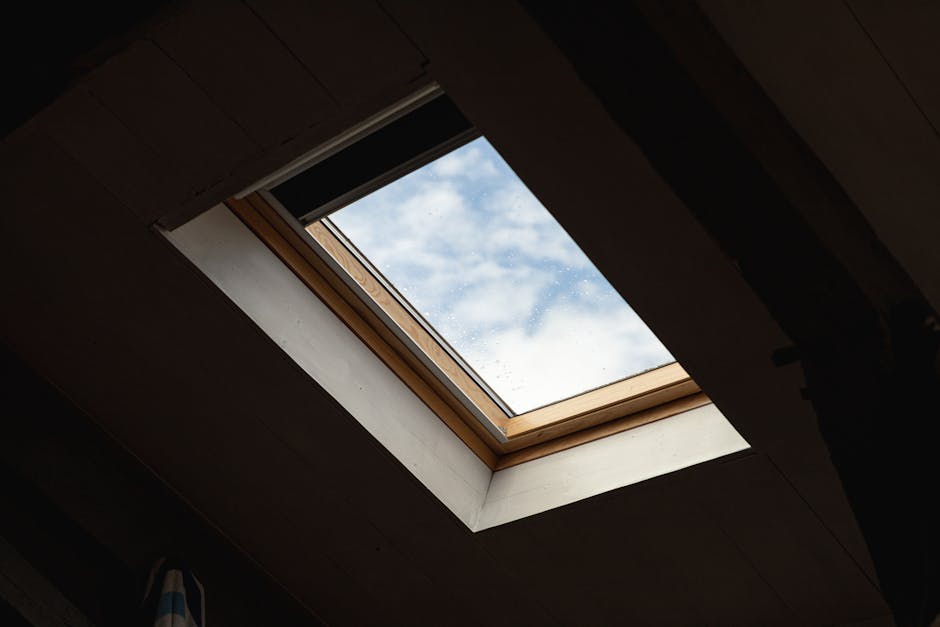
Where things stick UP through your roof are the highest-risk leak points. Flue stacks (gas heater, fireplace). Evaporative cooler down-feed. Skylights. TV aerials. Solar panel mounts. Bathroom exhaust vents. Photograph each from the ground; sealant degrades and cracks at penetrations after 8–12 years.
Step 4 — Check the gutters
Most ‘roof leaks’ are actually gutter overflow. The water comes off the roof faster than the gutter can carry it; the overflow goes BACKWARD under the eave, gets behind the fascia, and ends up appearing as a ‘roof leak’ in the room below. Adelaide’s intense summer storms often overload undersized gutters. If the leak only happens in heavy rain, gutter overflow is the prime suspect.
Step 5 — Internal inspection (if you have ceiling access)
From inside the ceiling space (manhole entry), with a torch and proper protective gear (asbestos cement sarking is common in pre-1985 Adelaide homes — assume it’s there until tested). Look for damp staining on rafters, water tracks on sarking, and the highest point of moisture. The leak entry point is typically uphill of the wettest point. Do NOT walk on ceiling joists if you don’t know which joists carry weight.
Step 6 — When to stop and call a roofer
Always call before going on the roof yourself. Roofs are unforgiving — falls from height are the #2 cause of fatal home-improvement accidents in Australia. The roofer’s site-visit fee is typically refunded if the work proceeds. The diagnostic time and the right safety equipment are worth far more than the call-out cost.
Adelaide-specific patterns
Inner-city heritage tiles: ridge cap failure dominates (pre-1985 cement bedding now at end-of-life). Coastal salt areas: valley iron rust dominates (galvanised valleys corrode faster near surf). Modbury / Salisbury / 1960s-80s suburbs: sarking failure on aging concrete tile. Adelaide Hills: storm-damaged tiles from gum branch fall and ember storm. Knowing the pattern your area sees often shortcuts the diagnosis.
Get a free leak repair quote
Request a leak repair quote — describe the symptoms and mention if you have photos. Active-leak emergencies attended same-day where weather permits. See our roof leak detection and repair service for how we trace and fix leaks.
Get a free Adelaide roofing quote within 24–48 hours
Tell us about your roof. We'll get back to you within 24–48 hours with a written, itemised quote. No obligation.