
Storm Damage Roof Repair Adelaide
Storm or hail damage to your Adelaide roof? Emergency tarping, repairs and written quotes your insurer can assess. Storm jobs prioritised. Call now.
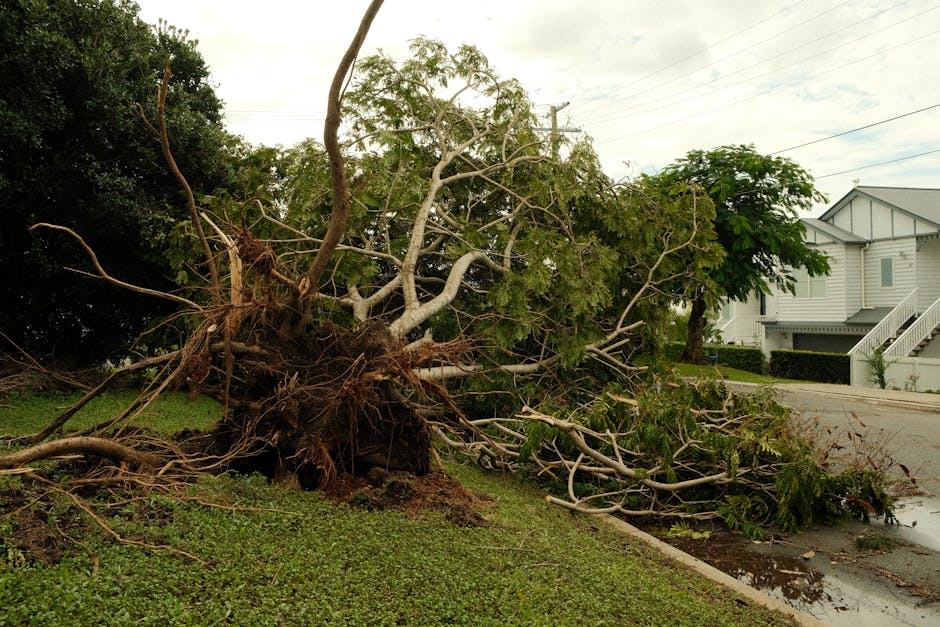
Storm damage roof repair is the emergency tarping, damage reporting and repair work your roof needs after hail, high wind or a fallen branch. We work for Adelaide homeowners, landlords and small businesses across the metro area and the Adelaide Hills. Repairs typically range from $2,500–$8,000 for a single elevation of hail damage. Request a free, written, itemised quote through the form and we’ll get back to you within 24–48 hours.
Storm-damage enquiries are prioritised ahead of routine quotes, with same-day attendance for active leaks where weather and availability permit. Adelaide’s winter fronts bring sustained wind and rain, and spring and summer thunderstorms bring hail and sudden downpours — both find every weak point in a roof at once.
Hail damage vs wind damage — what each looks like
The two storm types damage roofs in different ways, and they often need different repairs.
| Hail damage | Wind damage | |
|---|---|---|
| Metal (Colorbond, Zincalume) | Dents across the sheet, chipped or crazed paint, damaged ridge capping and flashings | Sheets lifted at the edges, popped or missing screws, torn flashings, bent ridge capping |
| Concrete or terracotta tile | Cracked or broken tiles, often hairline cracks you can’t see until the next rain | Slipped or missing tiles, dislodged ridge caps, broken mortar |
| Gutters and downpipes | Dented gutters, hail packed in gutters causing overflow | Gutters pulled away from the fascia, downpipes torn off |
| Skylights and vents | Cracked or shattered domes, damaged whirlybirds | Whirlybirds blown off, flashing lifted around penetrations |
Hail damage is easy to underestimate. A tile roof can look fine from the street and still have dozens of cracked tiles, and a dented metal roof may keep the water out for now but lose its paint protection where the coating has crazed. Wind damage is usually more obvious, but one lifted sheet loosens the fasteners around it — so we inspect the whole roof field, not just the sheet that moved.
What to do in the first 24 hours
- Stay safe. Don’t climb onto a wet or damaged roof. Stay clear of fallen powerlines and call SA Power Networks on their emergency number. If a tree or large branch has come through the roof, keep everyone out of that room.
- Limit water damage inside. Move furniture and electronics, put buckets under drips, and if water is near light fittings, switch off the power at the switchboard and get an electrician to check before turning it back on.
- Photograph everything from the ground. Take photos of the roof from the yard or street, the gutters, any debris, and every water stain or wet patch inside. Date-stamped photos help your claim. You can attach up to 5 photos to our quote form.
- Call your insurer. Policies generally require you to tell your insurer as soon as reasonably possible. Check your policy wording for what it covers and what it asks you to do.
- Get the roof made safe. Emergency tarping stops more water getting in while the claim is assessed. Keep the invoice and photos of the tarped roof for your insurer.
- Keep damaged materials if you can. Broken tiles or torn sheeting can help an assessor see the damage. Ask your insurer before throwing anything away.
What’s included
Emergency tarping
Active leak from a torn-off section, lifted iron, or a storm-broken tile field. We attend, secure the affected area with heavy-duty tarp and roof anchors, and stop further water getting in. A tarp is a temporary measure designed to hold for a few weeks while the full repair is assessed and scheduled. Whether tarping is covered depends on your policy — check with your insurer.
Hail damage assessment
Hailstorms can strip a roof’s coating, dent metal sheets to the point of paint failure, or crack tile fields invisibly until the next rain. We climb, photograph and measure, and prepare a written damage report your insurer can assess.
Fallen-tree damage
A branch or tree through the roof is the worst-case storm event. We assess the damage to rafters and battens, tarp the opening, and quote the roof repair and any structural rebuild. Large trees need a tree service to remove them first — see Tree Fox for tree removal in Adelaide.
Wind-lift and lifted iron
Strong winds can lift Colorbond sheets at the edges, expose battens and start a chain of loosened fasteners. We quote it as a fastener-and-sheet repair, plus an inspection of the rest of the roof field.
Insurance-claim quotes
A separate written quote set out so your assessor can follow it: line-itemed, with the scope clearly defined and the materials specified. We don’t negotiate with your insurer — that’s between you, the assessor and the insurer — but the quote gives them everything they need to assess the work.
How the insurance process generally works
Every insurer and policy is different, so treat this as general guidance and check your own policy.
- You lodge the claim with your insurer, as soon as reasonably possible after the storm.
- Make-safe work such as tarping is done to prevent further damage.
- The insurer assesses the claim. They may send an assessor or builder, or ask you for quotes and photos.
- The insurer decides on the claim and the scope of work it will pay for. Some insurers use their own repairers; whether you can choose your own roofer depends on your policy.
- Repairs are scheduled once the scope is approved. Timing depends on the approval, the weather and material lead times — a full re-roof takes longer than a repair.
Under the General Insurance Code of Practice, you can ask your insurer for copies of the reports it relied on in assessing your claim. If you disagree with a decision, ask your insurer about its internal complaints process; if that doesn’t resolve it, the Australian Financial Complaints Authority (AFCA) is the free external dispute body.
What goes in our written quote
So your insurer can assess the job, our storm-damage quote includes:
- Photos of the damage taken on the roof, with each one tied to a line item
- Measurements — the area of sheeting, number of tiles, metres of ridge capping or gutter affected
- Cause noted as observed — for example hail impact or wind lift — described as we found it, without guessing at the policy outcome
- Line-itemed scope — make-safe work, repairs, materials and access (scaffold or edge protection) priced separately
- Materials specified — profile, colour and product, so like-for-like replacement is clear
- Any pre-existing wear we noticed, listed separately, so there are no surprises when the assessor looks at the roof
Typical pricing (Adelaide)
| Job | Range |
|---|---|
| Emergency tarping (call-out + tarp install) | $450–$1,200 |
| Hail damage assessment + report | $350–$650 |
| Hail damage repair (single-coat, single-elevation) | $2,500–$8,000 |
| Hail damage full re-roof (Colorbond) | $15,000–$45,000 |
| Wind-lift fastener replacement (per square) | $180–$320 |
| Fallen-tree damage (small branch, repair-able) | $2,500–$6,500 |
| Fallen-tree damage (large branch through roof) | $8,000–$25,000+ |
How your excess is paid, and to whom, depends on your policy and your insurer. If the assessor approves a different scope from our first quote, we update the quote to match.
Process
- Active emergency? Tell us now. Choose “Storm Damage / Insurance Claim” on the form. Active leaks are prioritised, with same-day attendance where weather and availability permit. Tarping happens before formal quoting.
- Damage assessment and report. We photograph and measure the damage and prepare the written report.
- Written, itemised quote. Set out so your insurer can assess it.
- You submit it to your insurer. You handle the assessor conversation; we’re available to clarify scope details if the assessor asks.
- Approved scope booked. Once the insurer approves the work, it is scheduled.
Important — what we are and aren’t
RidgeFox Roofing is a roofing service, not an insurance broker, public adjuster or claim negotiator. We quote the repair and document the damage for your claim. The conversation about excess, scope of works and assessment runs between you and the assessor — we don’t intermediate.
You’re free to obtain additional quotes. Your insurer may also ask for a further quote on larger claims — you’re free to use other roofers, and doing so won’t affect how we treat your enquiry.
Frequently asked
The storm hit yesterday — how fast can someone be on-site? Active leaks are prioritised, with same-day or next-day attendance where weather and availability permit. Tarp first, quote second.
Will my insurer accept a single quote? It depends on the insurer and the size of the claim — some accept a single quote, and some assessors request a second. Check with your insurer; our quote is itemised so it can be compared line by line.
My roof has already been damaged for a few weeks — is it still claimable? Possibly. Policies generally require you to notify the insurer as soon as reasonably possible — check your policy wording and speak to your insurer first.
Do you handle commercial and strata storm damage? Yes. Commercial premises and strata insurance follow the same path — a damage report, a quote the assessor can follow, and approval before the work starts. Strata insurance often involves the strata manager as a third party in the conversation.
How do I know if my roof has hail damage? From the ground, look for dents in gutters and flashings, chipped paint, broken tile pieces in the gutters or garden, and new water stains on the ceiling. Hairline cracks in tiles often can’t be seen without getting on the roof, so a roofer’s inspection is the reliable check. Please don’t climb onto the roof yourself.
Does home insurance cover storm-damaged roof repairs? Many home insurance policies cover sudden storm damage, but cover, exclusions and excesses vary. Wear and tear, rust and gradual deterioration are commonly excluded. Read your policy wording or ask your insurer, and send them photos and our itemised quote.
What is emergency roof tarping and how long does it last? Emergency tarping is a heavy-duty tarp anchored over the damaged part of the roof to stop water getting in until the permanent repair is done. It’s a temporary make-safe, designed to hold for a few weeks — not a long-term fix.
Get a free storm-damage quote
Request a storm-damage quote and choose the “Storm Damage / Insurance Claim” service. We prioritise storm-damage jobs ahead of routine quotes and will get back to you within 24–48 hours with a written, itemised quote.
Quick quote request
Request a free Storm Damage & Insurance Claims quote
Written, itemised quote from our Adelaide roofing team within 24–48 hours.