Storm Damage Roof Insurance Claim Adelaide — How to Get It Right
Adelaide storm damage roof insurance walk-through — what to photograph, what to claim, common reasons claims are knocked back, and how to work with the assessor.
Published 9 May 2026 · RidgeFox Roofing
Storm Damage Roof Insurance Claim Adelaide — How to Get It Right
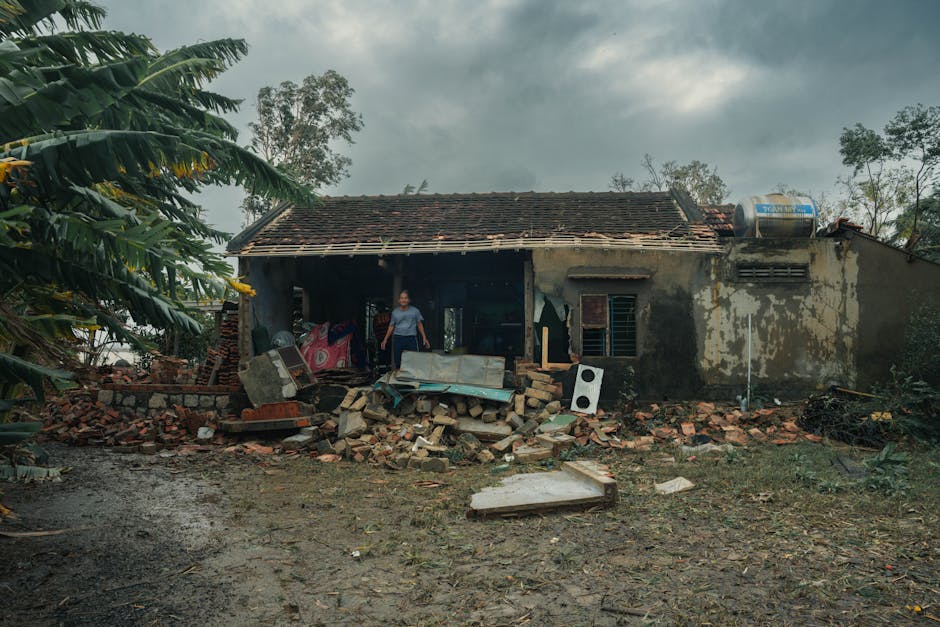
A storm rolls through, you find lifted Colorbond, broken tiles, or a tree branch through the ridge. The next 48 hours are the difference between a covered claim and a knock-back. Here’s what to do, in the right order, for an Adelaide home.
Why claim outcomes vary so wildly
Two homes on the same street can take similar damage in the same storm and one gets a paid claim while the other is rejected. The reasons are almost always at the documentation stage, not the engineering stage. Insurers look for:
- Pre-existing condition (rust, age, existing leaks) — anything they can attribute to “lack of maintenance” rather than the storm
- Timeliness of report (most policies require notification “within reasonable time” — interpret as 14 days)
- Photographic evidence of acute damage (sudden, attributable to the event)
- Compliance with policy conditions (the home must have been “reasonably maintained”)
If you’ve never had a roof inspection, the assessor’s first move is to argue the damage was age-related. If you have a recent inspection report showing the roof in good condition, the argument is much harder. See Adelaide storm season — how to prepare your roof for the maintenance baseline.
The first 24 hours after the storm
Order matters. In sequence:
1. Make safe from inside. Move belongings out from under any active leak. Buckets, towels. Don’t try to access the roof — it’s still wet and the wind may not be done. Most storm-related accidents in Adelaide happen in the hours after the main event, on roofs people shouldn’t be on.
2. Photograph everything from ground level. Wide shots of the property, then close-ups of any visible damage. Date and time stamps from your phone. Include neighbouring damage (a tree across the road shows the storm severity). These photos are your claim baseline.
3. Stop further water entry temporarily. A bucket inside is fine. Plastic sheeting on the roof is dangerous and unnecessary. Wait for an emergency tarping team if it’s actively raining and the leak is significant. See emergency roof tarping Adelaide.
4. Don’t sign anything from a door-knocker. Storm-chasing crews appear within hours of any significant Adelaide storm, particularly in the eastern suburbs and Adelaide Hills. They aren’t local, they aren’t licensed for the work they’re proposing, and they want a deposit cheque before the assessor arrives. Wait for your usual roofer or a vetted local.
Notify your insurer — within 48 hours
Phone your insurer’s claims line. Don’t email — you want the timestamped record of having reported promptly. They’ll give you a claim number and walk you through:
- Whether their preferred trades panel is mandatory or optional (most are optional in Australia under the General Insurance Code of Practice)
- The excess for storm damage on your policy (typical Adelaide range: $400–$2,000)
- Whether emergency make-safe (tarping, water extraction) is covered separately or comes off the claim total
- Timeframe for assessor inspection (typically 5–10 business days for non-emergency, 2–3 days if there’s active water entry)
Take notes during the call. Get the consultant’s name. Most insurers record their calls but you should also keep your own record.
What’s covered, what isn’t
Most Adelaide home insurance policies cover acute storm damage:
- Wind damage (lifted sheets, ridge cap displacement)
- Hail damage (impact on Colorbond, broken tiles, smashed skylights)
- Falling tree or branch
- Lightning strike
Most do not cover:
- Gradual deterioration (rust, age, lichen damage)
- Pre-existing leaks worsened by the storm
- Damage caused by your tree falling on a neighbour’s property (that’s their claim, against your tree)
- Mould or interior water damage that built up before the storm
- Storm damage on a structure that wasn’t council-approved
The grey area is “the storm exposed an existing weakness” — for example, ridge caps with failed bedding lifted in wind. Insurers argue this is age-related; assessors and roofers can argue the storm was the proximate cause. Documentation tilts the argument.
Working with the assessor
The assessor is an independent inspector contracted by your insurer. They’re not your enemy but they’re not your advocate either. Their job is to determine:
- Was the damage caused by the storm event?
- What’s the cost to repair to “as-was” condition?
- Are there any policy exclusions that apply?
When they visit:
- Have your own roofer present if possible. A second pair of trained eyes catches things the assessor misses or downplays.
- Walk the assessor through every damaged area in person.
- Ask for a copy of their report. You’re entitled to it under the General Insurance Code of Practice.
- If they make a verbal statement (“we’ll cover the full replacement”), get it in writing before celebrating.
When the claim is knocked back
If the assessor finds against you, the next steps are:
- Request the report in writing with specific reasoning. “Pre-existing condition” isn’t enough — they need to evidence it.
- Get an independent roofer’s report. A local Adelaide roofer can inspect, photograph, and write a report countering specific points. This typically costs $250–$500 and is well worth it on a contested claim.
- Lodge an internal dispute with your insurer. Provide the independent report, your maintenance history, and any pre-storm photos.
- Escalate to AFCA (Australian Financial Complaints Authority) if internal dispute fails. AFCA has overturned many roof claim rejections where the homeowner had documentation. The service is free.
Most contested claims in Adelaide settle at the internal-dispute stage when a credible independent report contradicts the assessor.
Quotes — get more than one, but go beyond price
For any storm-damage repair quote, look for:
- Written, line-itemed quote (not a single lump sum)
- Itemised materials with specifications (Colorbond gauge, tile type, sarking type)
- Labour separated from materials
- A clear scope statement matching the assessor’s report
- Builder’s warranty timeframe in writing
The cheapest quote is rarely the right answer for an insurance job. The insurer typically pays the assessor’s scope plus reasonable variation; if your roofer’s quote is well above scope, you may need to fund the difference. A trusted local who has worked claims before knows how to scope to what the insurer pays without cutting corners.
Adelaide context — winter storm season
Adelaide’s storm season runs roughly June through August (winter rain) and December through February (summer hail). Winter storms tend to drive sustained rain and wind from the south-west; summer storms hit hard with hail and short, intense wind. Different damage patterns:
- Winter: lifted ridge caps, gutter overflow, sustained leak through old flashing
- Summer: broken tiles, dented Colorbond, smashed skylights, single-event acute damage
Knowing which event caused the damage matters for the claim narrative. The Bureau of Meteorology weather history at bom.gov.au is your reference for confirming storm severity at your suburb on a specific date.
Get a roofer on your side
For an independent inspection — pre-storm baseline, post-storm assessment, or claim-dispute support — request a free roof inspection. The trusted local Adelaide roofer will inspect, photograph, document, and provide a written report you can use directly with your insurer. For pricing context, see the cost of roof replacement Adelaide — useful when an assessor’s “scope” looks light.
Get a free Adelaide roofing quote within one business day
Tell us about your roof. We connect you with the trusted licensed Adelaide roofer for your suburb. Written, itemised quote back. No obligation.