Emergency Roof Tarping Adelaide — When to Call and What It Costs
Adelaide emergency roof tarping for active storm leaks — when to call, what it costs ($250–$650), how long the tarp lasts, and what to do before the crew arrives.
Published 9 May 2026 · RidgeFox Roofing
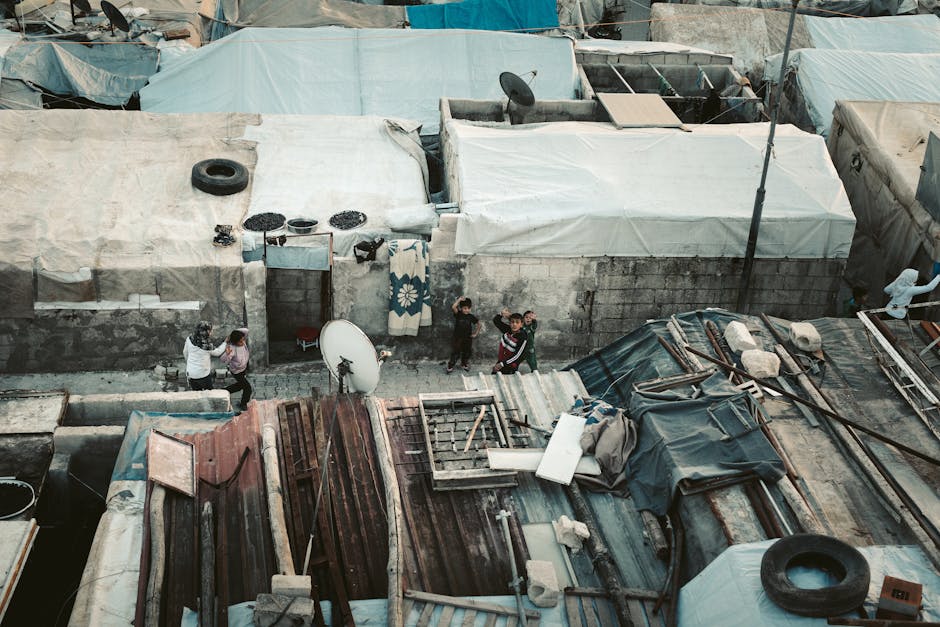
Emergency Roof Tarping Adelaide — When to Call and What It Costs
A storm has just rolled through. There’s water coming through your ceiling. You need someone on the roof in the next few hours, not next week. This is what emergency roof tarping is for — a temporary make-safe that stops the leak until the proper repair can happen.
What you’ll pay
For metro Adelaide emergency tarping, after a typical storm event:
- Single-area tarp (one room above, ~3m × 4m tarp): $250–$450
- Multi-area or larger tarp (whole roof section, ~6m × 8m): $450–$850
- After-hours / weekend / public holiday call-out: add $80–$200
- Out-of-metro (Mount Barker, Gawler, Aldinga): add $80–$150
Insurance typically covers emergency make-safe as part of the storm claim. Keep the receipt — it’s reimbursable in most policies.
When tarping is the right answer
Tarping makes sense when:
- There’s active water entry into the home and rain is forecast to continue
- The damage is acute (recent storm, lifted sheets, broken tiles, fallen branch)
- The proper repair can’t be scheduled for 3+ days
- The homeowner is at home and can supervise / coordinate
Tarping is not the right answer for:
- A slow drip from an old leak — that’s a roof inspection job, not an emergency
- Damage where the structure is unsafe to walk on (storm-snapped rafters, fire-damaged roof) — that’s a different specialist
- Asbestos roofs damaged by storm — tarping is fine but the broken sheet is a SafeWork SA notifiable matter; specialists handle this differently
What to do before the crew arrives
In the 30–90 minutes between calling and arrival:
1. Stop the spread inside. Position buckets, towels. If water is pooling in a ceiling cavity (you can see the plaster bulging), poke a small hole with a screwdriver from below to drain it into a bucket. Yes, it sounds counterintuitive, but a controlled drain saves the whole ceiling from collapsing.
2. Move belongings. Anything under or near the leak — clothes, electronics, bedding, paperwork. Even if it’s not getting wet now, plaster collapse can dump 20+ litres of accumulated water in seconds.
3. Turn off ceiling power circuits. If water is anywhere near a downlight, ceiling fan, or smoke alarm, turn off that circuit at the breaker. Don’t turn lights on in any wet area until an electrician has checked it.
4. Photograph everything. From ground level, inside and outside. Date-stamped phone photos are evidence for your insurer. Continuous photos as the tarp goes on show the progression of damage.
5. Don’t go on the roof. Wet tile or wet Colorbond is genuinely dangerous. Wait for the crew. The leak is already happening — you running up there with a tarp doesn’t materially help.
For the broader insurance walkthrough, see storm damage roof insurance claim Adelaide.
How long a tarp actually lasts
A properly installed Adelaide emergency tarp will last:
- Heavy-duty UV-rated tarp, sandbag and screw fixed: 6–12 weeks
- Standard blue poly tarp, basic fix: 2–4 weeks (UV degrades it from the surface; wind whip eventually shreds it)
- Cheap hardware-store tarp, badly fixed: 5–10 days
The proper job is more expensive but it’s the difference between scheduling the permanent repair on a sensible timeframe versus scrambling again in two weeks.
What a proper emergency tarp install includes
A reputable Adelaide tarping crew will:
- Inspect the damage from the roof first, photograph for the insurance file
- Clear loose tile fragments, displaced ridge caps, broken Colorbond — they’d cause leaks under any tarp
- Lay a UV-rated heavy-duty tarp (typically 200gsm or higher) sized 1m larger than the damage area on every side
- Fix using timber battens screwed through the tarp into structural roof timber where possible (not just into tile or sheet)
- Add sandbags or weights at edges where battens aren’t possible (over plumbing penetrations, edges)
- Tape edges to prevent wind catching and lifting
- Photograph the finished install for the insurance file
- Provide a written timeframe for permanent repair scheduling
A 30-minute tarp install with bunch of bricks holding down the corners is a 5-day fix. The professional job takes 90–180 minutes and lasts months.
Common Adelaide emergency tarping scenarios
Lifted Colorbond ridge cap, sustained westerly winds. Common in winter storms. The tarp covers the ridge length (often 4–8 metres) and is screwed at the eave line either side. Usually a 60–90 minute job.
Tree branch through the roof. The tree gets removed first (often a separate arborist visit — see Tree Fox for Adelaide tree work), then the tarp goes over the puncture point. If the branch broke a rafter, structural propping is needed before tarping.
Smashed skylight from hail. A localised tarp over the skylight aperture. The skylight unit itself usually needs replacement rather than repair after hail.
Multiple broken tiles from hail or branch debris. Several smaller tarps OR one larger overlay. The broken tile fragments are cleared first to prevent further damage during high winds.
After-hours and overnight emergencies
Most Adelaide emergency tarping is during business hours (the storm hit at 2pm, you call at 4pm, the crew arrives by 6pm). For genuine after-hours emergencies — water actively entering at 11pm — options are limited. Most reputable Adelaide roofers offer after-hours response with a higher call-out fee. The first-light next-morning option is sometimes the better choice if the leak is manageable with buckets overnight.
What happens after the tarp
The permanent repair scheduling depends on:
- Insurance assessor visit (typically 3–10 business days)
- Insurer’s authorisation of the scope of work
- Materials availability (Colorbond is usually 5–10 day lead time; tile profiles can be 2–4 weeks for less common ones)
- Roofer’s schedule
Don’t be surprised if the proper repair is 3–6 weeks after the storm — for non-urgent damage that’s standard. The tarp covers that gap.
Insurance — what they pay for
Most Adelaide home insurance policies cover emergency make-safe (tarping) as a separate line item from the main repair claim, often without affecting the excess. Confirm at the time of the claim. Keep:
- The tarping invoice
- Photos of the damage before and after tarping
- The crew’s company details and ABN
Your insurer reimburses directly or through the main claim depending on policy. See storm damage roof insurance claim Adelaide for the full claim process.
Adelaide-specific notes
- Winter storms (June–August): south-west wind, sustained rain. Most tarping calls are for ridge caps and gutter overflow.
- Summer hail (December–February): brief, violent. Most tarping calls are for smashed skylights, broken tiles, dented Colorbond.
- Adelaide Hills and foothills suburbs (Stirling, Aldgate, Crafers, Bridgewater): more tree-fall damage; longer travel times for crews.
- Coastal suburbs (West Beach, Henley, Glenelg): salt-air corrosion accelerates damage if tarp is left too long; permanent repair needs to happen sooner.
For pre-storm preparation that often prevents the emergency call entirely, see Adelaide storm season — how to prepare your roof.
Get help right now
For active storm-damage emergencies — water coming in, sheets lifted, branches through — request emergency roof help. Mark the request as urgent in the message. The trusted local Adelaide roofer responds within one business hour during daytime metro callouts.
Get a free Adelaide roofing quote within one business day
Tell us about your roof. We connect you with the trusted licensed Adelaide roofer for your suburb. Written, itemised quote back. No obligation.